CAPABILITIES

映像も、データも。
現場の力に。
Vision and data.
Working together.

現場の対象、環境、運用に合わせて。
センシングから、情報の確認と活用までを設計します。
Designed around your objects, environment and workflow.
From sensing to review and practical use.

01

AI vision

映像を、現場の理解へ。Make vision useful.

AIカメラで人・物・設備の状態を捉える。映像の確認、変化の把握、外観の検査を、人の判断につなぎます。Use camera intelligence to understand people, objects and equipment. Connect image review, change detection and inspection to human decisions.

検討するテーマAreas to explore

状態・動きの把握 / 外観検査 / 映像の確認Condition and activity / visual inspection / image review

02

IoT sensing

見えない変化を、捉える。Sense the unseen.

温度、湿度、圧力などの変化を、現場に合うセンサーで把握。離れた設備の状態も、確認と対応につなげます。Follow changes in temperature, humidity and pressure with sensing suited to the site. Bring remote equipment conditions into review and response.

検討するテーマAreas to explore

温度・湿度・圧力 / 設備状態 / 無線センシングTemperature, humidity and pressure / equipment condition / wireless sensing

03

Asset visibility

必要なモノを、見失わない。Keep assets in view.

工具や資材の識別、所在、入出庫の履歴。無線タグなどを組み合わせ、探す・確認する作業を支えます。Connect tool and material identity, whereabouts and movement history. Use wireless identification to support finding and checking what matters.

検討するテーマAreas to explore

RFIDなどによる識別 / 工具・資材管理 / 入出庫・所在の把握Identification including RFID / tools and materials / movement and whereabouts

04

Inspection & measurement

違いを測り、判断を支える。Measure the difference.

画像や3D計測で形状・寸法・表面を捉える。摩耗の評価や分類・選別など、目的に合う検証を進めます。Explore image and 3D measurement for shape, dimensions and surfaces. Validate approaches to wear assessment, classification and sorting.

検討するテーマAreas to explore

形状・寸法 / 摩耗の評価 / 分類・選別Shape and dimensions / wear assessment / classification and sorting

TECHNOLOGY / UNDER THE SURFACE

現場で使う、
技術の中身。
The technology.
And what it does.

映像解析から無線通信、現場のデータ基盤まで。
私たちが開発・検証に取り組む技術を、用途とともに。
From image analysis to wireless links and field data systems.
The technologies we develop and validate, with their applications.

01

EDGE AI / COMPUTER VISION

AIカメラ・物体検出AI cameras & object detection

ネットワークカメラの映像を、カメラ内やエッジ端末で解析。人・物・設備の状態や変化を、確認できる情報にします。Analyze network-camera imagery on the camera or an edge device. Bring people, objects and equipment changes into a reviewable workflow.

YOLO / EDGE INFERENCE / RTSP

映像 → 検出結果 → 人による確認Video → detections → human review
02

VISION LANGUAGE MODELS

画像から、数値と意味を読む。Read values and context from images.

VLMや画像認識で、アナログ・デジタルメーターの読み取りを検証。画像と読み取り結果を並べ、担当者が確認して記録する流れへ。Explore VLMs and image recognition for analog and digital meter reading. Pair the source image with the extracted value for an operator to verify.

VLM / IMAGE RECOGNITION / METER READING

メーター画像 → 読み取り候補 → 確認・記録Meter image → candidate value → verified record
03

LoRaWAN / INDUSTRIAL IoT

温度も、圧力も。無線でつなぐ。Connect temperature and pressure signals.

温湿度センサーや制御器をLoRaWANで接続。圧力などの設備信号も対象に、ゲートウェイ経由でデータの収集と通知を設計します。Connect temperature and humidity sensors and controllers over LoRaWAN. Design data collection and notification around equipment signals, including pressure.

LoRaWAN / GATEWAYS / MQTT

センサー → 無線ゲートウェイ → 履歴・通知Sensor → wireless gateway → history and alerts
04

UHF RFID / ASSET IDENTIFICATION

工具の「ある・ない」を記録する。Record which tools are present.

UHF RFIDリーダーで工具・資材のタグを識別。読み取りエリアへの出入りや所在確認を、制御器・LoRaWAN・MQTTにつなぎます。Read tool and material tags with UHF RFID. Connect presence checks and read-zone entry or exit events through controllers, LoRaWAN and MQTT.

UHF RFID / SERIAL INTERFACES / LoRaWAN

タグ → 読み取りイベント → 所在・返却確認Tag → read event → presence and return checks
05

3D PROFILE / INSPECTION

表面と形状を、データに。Turn surface geometry into data.

レーザープロファイルなどの3D計測で、形状・寸法・表面の変化を把握。摩耗評価や選別への適用を、対象物に合わせて検証します。Use 3D measurement such as laser profiling to examine shape, dimensions and surface changes. Validate wear assessment and sorting for the target object.

3D PROFILING / DIMENSIONS / SURFACE ANALYSIS

表面形状 → 比較・計測 → 検査判断の支援Surface profile → comparison → inspection support
06

CLOUD / ON-PREMISE

現場の情報を、一つの運用へ。Bring field data into daily operations.

AWS IoT CoreやMQTTを使ったデータ収集、履歴の可視化、通知。クラウドとオンプレミスを、現場のネットワーク条件に合わせて組み合わせます。Collect data with AWS IoT Core and MQTT, visualize history and route notifications. Combine cloud and on-premise systems around site connectivity.

AWS IoT Core / MQTT / DASHBOARDS

現場データ → 履歴・可視化 → 通知・対応Field data → history and visibility → response

用途ごとの適用性・読み取り精度・通信条件は検証が必要です。進行中の技術検証を含み、すべてが製品化・導入済みであることを示すものではありません。Suitability, reading accuracy and connectivity require validation for each application. These areas include ongoing technical work, not a claim that every capability is a released product or deployed system.

SAFETY / AWARENESS THAT SUPPORTS PEOPLE

安全を支える、
気づきと確認。
Supporting safety.
Through awareness and review.

人の判断を支えるために、現場の変化を見えるようにする。
確認する人、知らせる先、その後の対応までを考えます。
Make changes visible to the people responsible.
Design who reviews, who is notified, and what happens next.

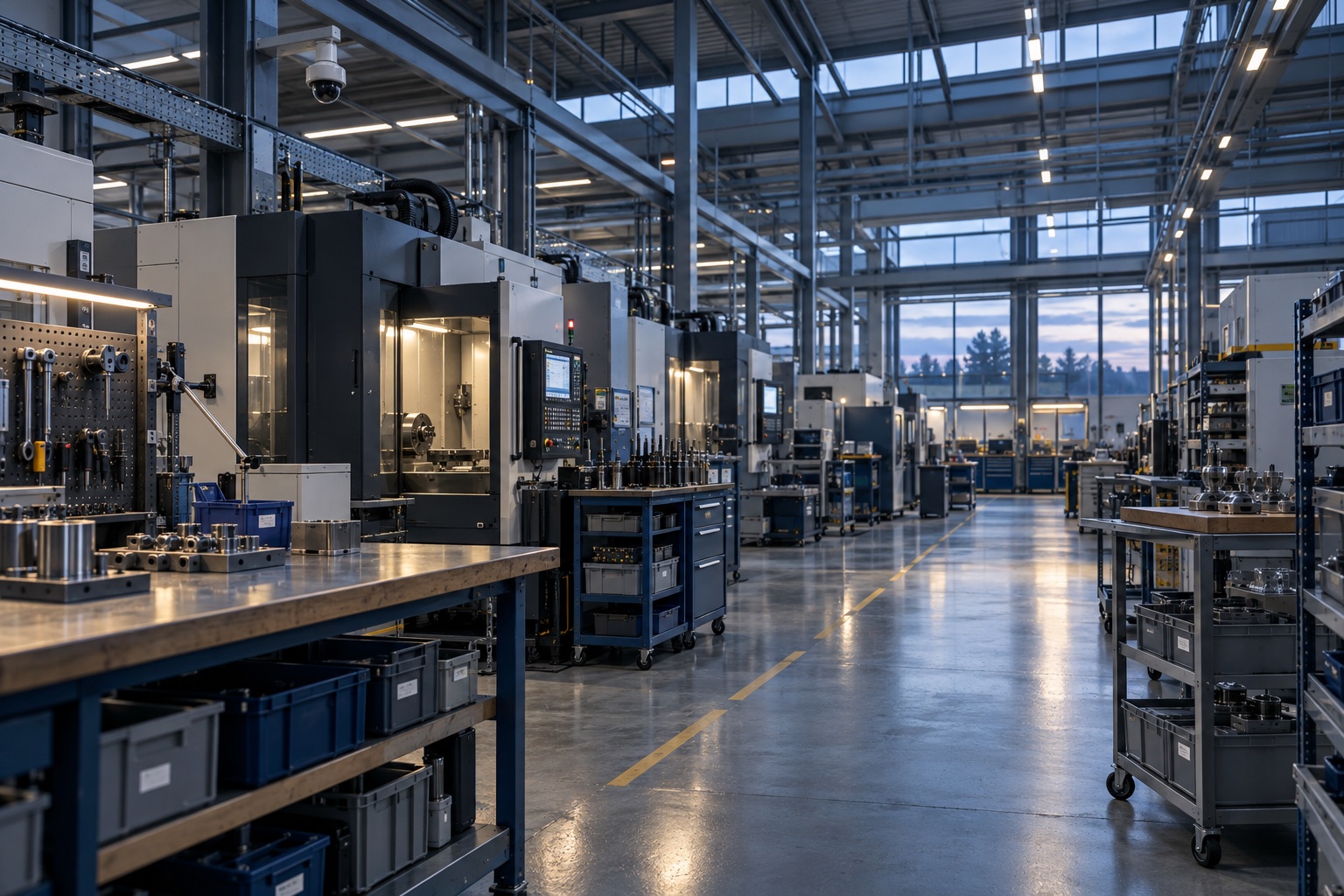
AI-generated illustration of a fictional factory, used to explain safety support concepts
CONCEPT / FIELD AWARENESS

捉える → 確認する → 知らせるObserve → Review → Notify

01 / ENVIRONMENT

暑熱環境の変化に気づく。Notice changes in working conditions.

温湿度などの環境データを場所ごとに確認し、設定条件に応じた注意喚起へ。メールや現場の音声通知など、運用に合う伝え方を検討します。Review temperature and humidity by area and explore alerts against configured conditions. Consider email or on-site audio to fit the operating workflow.

02 / EQUIPMENT

気になる変化を、見過ごさないために。Bring equipment changes into review.

映像や表面計測で状態の変化を捉え、確認すべき箇所を担当者へ。設備点検の記録と判断を支えます。Use imagery and surface measurement to highlight changes for an operator to assess. Support equipment inspection records and decisions.

03 / TOOLS & ASSETS

作業の前後に、工具を確認する。Account for tools before and after work.

RFIDやハンディリーダーで工具の在席・持ち出し・返却を確認。読み取り条件を検証しながら、点検の記録と照合を支援します。Explore RFID and handheld readers for tool presence, checkout and return checks. Validate read conditions and support reconciliation with inspection records.

安全管理を支援する検討テーマです。危険の完全検知や事故防止を保証するものではなく、現場の安全手順と人による確認を前提に設計します。These concepts support safety management. They do not guarantee hazard detection or accident prevention; design builds on site safety procedures and human review.

LET’S START WITH YOUR FIELD

次の一歩を、
現場から。
Your next step.
Grounded in your field.

何を見たいか。どこに困っているか。
まだ仕様になっていない段階から、お聞かせください。
What do you need to see? Where does work get difficult?
Let’s start before the specification is written.

現場の課題を相談するDiscuss your challenge